Pakistan’s ambitions to harness its young population as a driver of future economic growth are facing a major challenge, with around 40 per cent of children under the age of five suffering from stunting, leaving millions at a disadvantage even before they reach school or enter the workforce, a report has said.
Stunting, caused by chronic undernutrition, can begin before birth and is linked to poor nutrition among mothers during pregnancy, repeated infections and unhealthy living conditions.
Its effects can extend well beyond childhood, affecting physical development, learning outcomes, productivity and earning potential later in life, a report by Dawn stated.
Experts and development organisations have warned that the economic consequences of inadequate investment in early childhood can be substantial. When education and public health spending are reduced or delayed during periods of financial pressure, the resulting loss in human development can persist into adulthood and, in some cases, affect subsequent generations.
The scale of the crisis will be at the centre of discussions at the ACT For Nutrition campaign and international conference, scheduled to be held on September 2 and 3.
The initiative aims to bring greater attention to Pakistan’s persistent failure to adequately nourish mothers and children and to the wider economic and social consequences of malnutrition, the report stated.
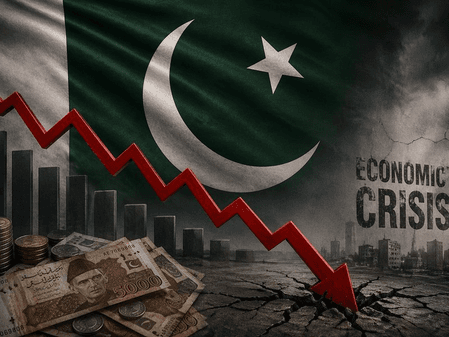
Pakistan’s nutrition challenge extends beyond childhood stunting. The country has a maternal mortality rate of 155 deaths per 100,000 live births, while malnutrition is estimated to cost the economy more than $17 billion annually.
The conference is expected to bring together global humanitarian leaders, international institutions, nutrition experts and provincial governments to examine the interconnected factors behind the crisis and identify practical measures to address it.
Discussions will focus on a range of issues, including poverty, maternal nutrition, child-feeding practices, governance, financing and the growing impact of climate vulnerability. Chronic underinvestment in nutrition and public health is also expected to feature prominently in discussions on how Pakistan can reverse the current trajectory.
The organisers say the country is at a critical crossroads. Continued failure to invest in nutrition could undermine the potential of an entire generation, while sustained action during the early years of life could strengthen human capital and contribute to long-term economic growth.
--IANS